
Co-Driver Communication and Stage Navigation
The driver and co-driver work as a unified team. Master the calls system, note-taking techniques, and high-speed communication strategies that separate amateur teams from experienced rally crews.
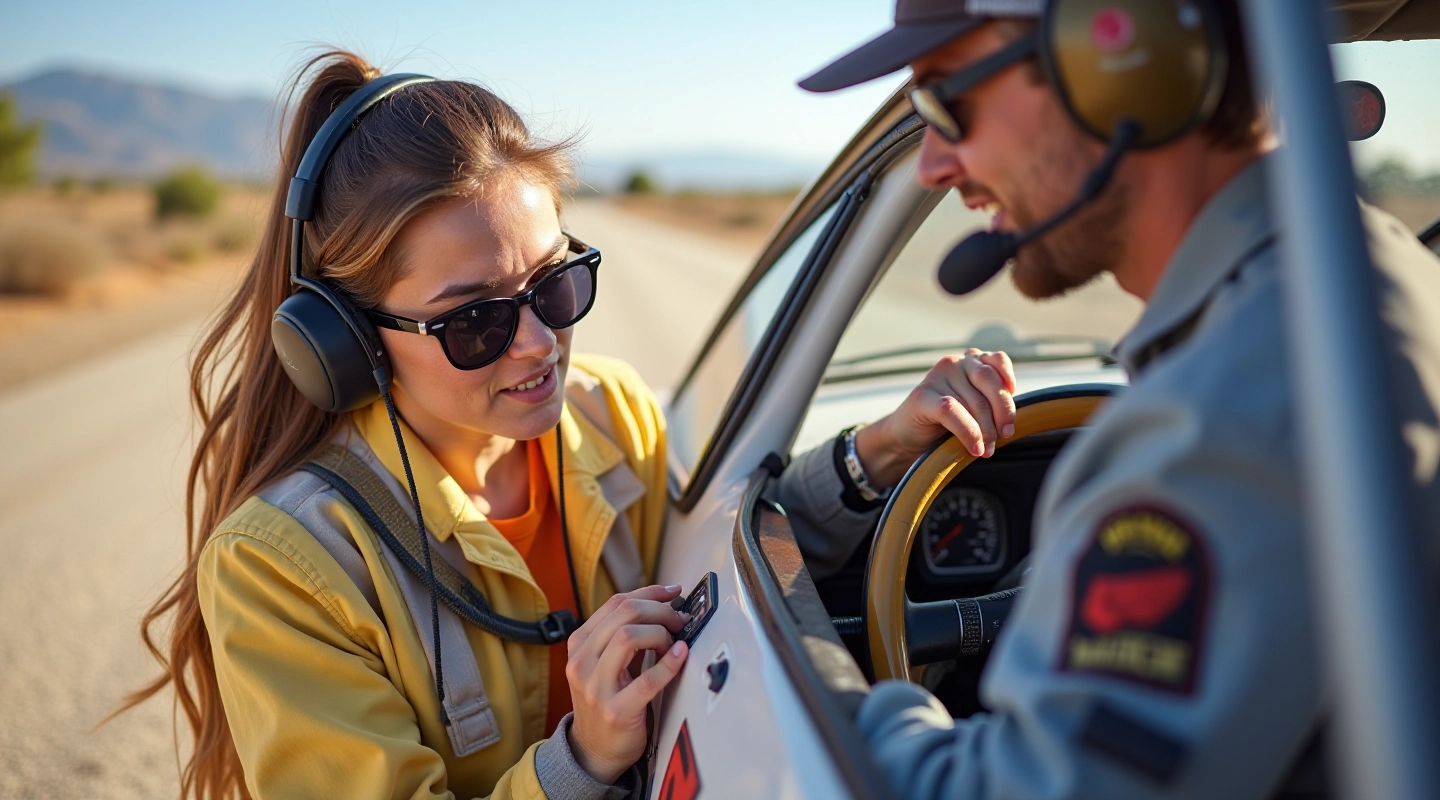
Why the Co-Driver Role Matters
In rally driving, there's no autopilot. The driver needs eyes, ears, and someone who understands the road ahead. That's where the co-driver comes in. It's not just about reading pace notes — it's about building trust, timing your calls perfectly, and keeping the team focused when speeds hit 80+ mph on gravel.
We've seen teams with talented drivers finish mid-pack because their co-driver wasn't ready. We've also seen average drivers place well because their co-driver kept them informed and confident. The difference? Communication systems, preparation, and understanding exactly what information matters most when.
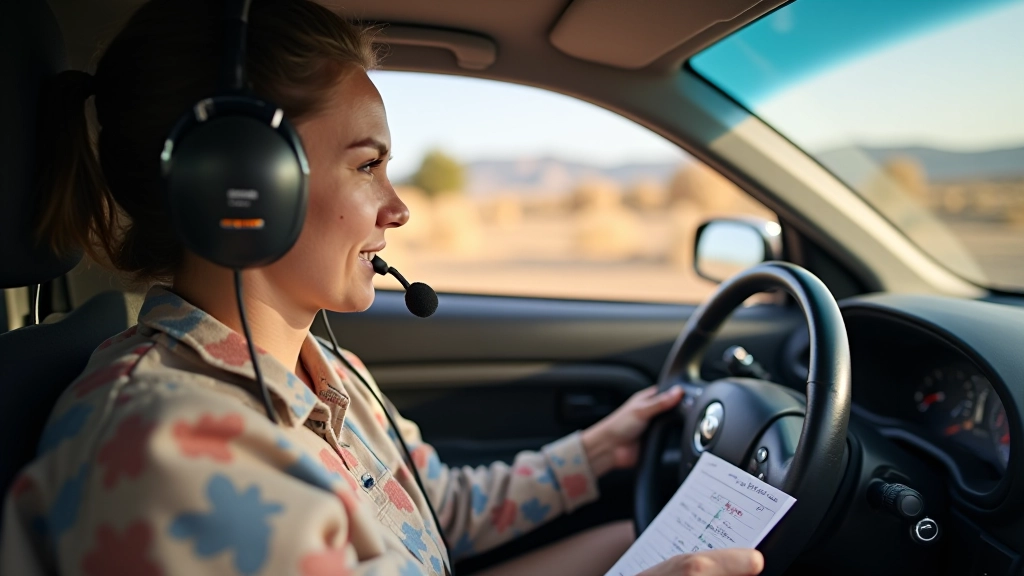
Rally Fundamentals Editorial Team
Editorial Team
Written by the Rally Fundamentals editorial team, focused on practical guidance for adults learning rally driving and gravel track skills.
The Pace Notes System
Pace notes aren't poetry. They're a coded language designed to give the driver one essential piece of information: what's the next turn, how tight is it, and what's the road like. Most systems use simple numbers — 1 through 6, sometimes with modifiers.
A "2" means tight hairpin. A "4" is moderate. A "6" is flat out. Some teams add descriptors: "4 left tightens to 2." Others use "plus" and "minus" to show if the turn opens up or closes in. The key? Your driver needs to know immediately and predictably.
You'll also mark hazards. Loose rocks, a dip, water on the road, a cliff edge — these get called out ahead of time. "6 left into 3 right over crest, gravel on exit." That tells the driver: flat section, left turn, then a tighter right turn over a hill with loose surface on the way out.

Preparing Your Notes
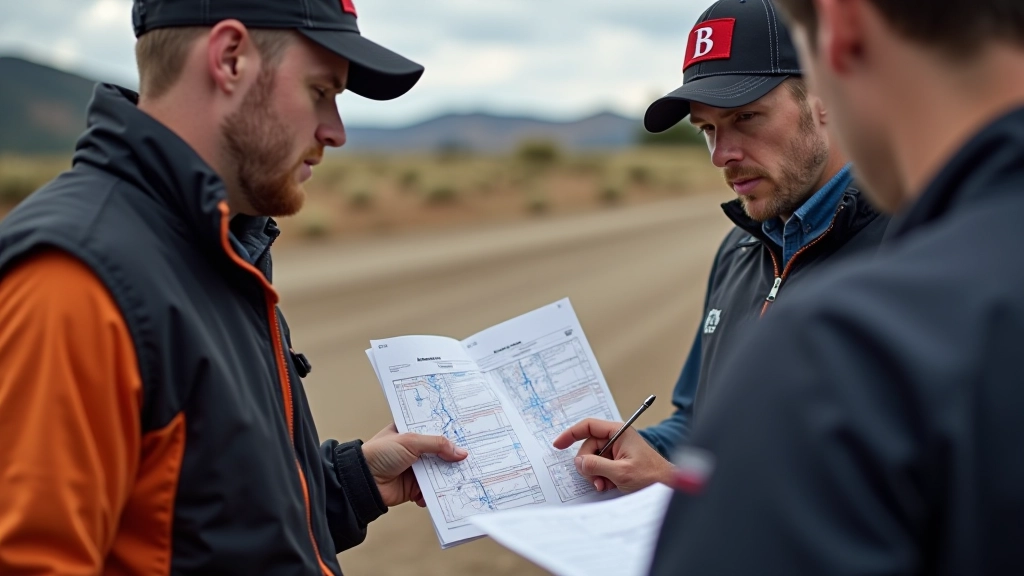
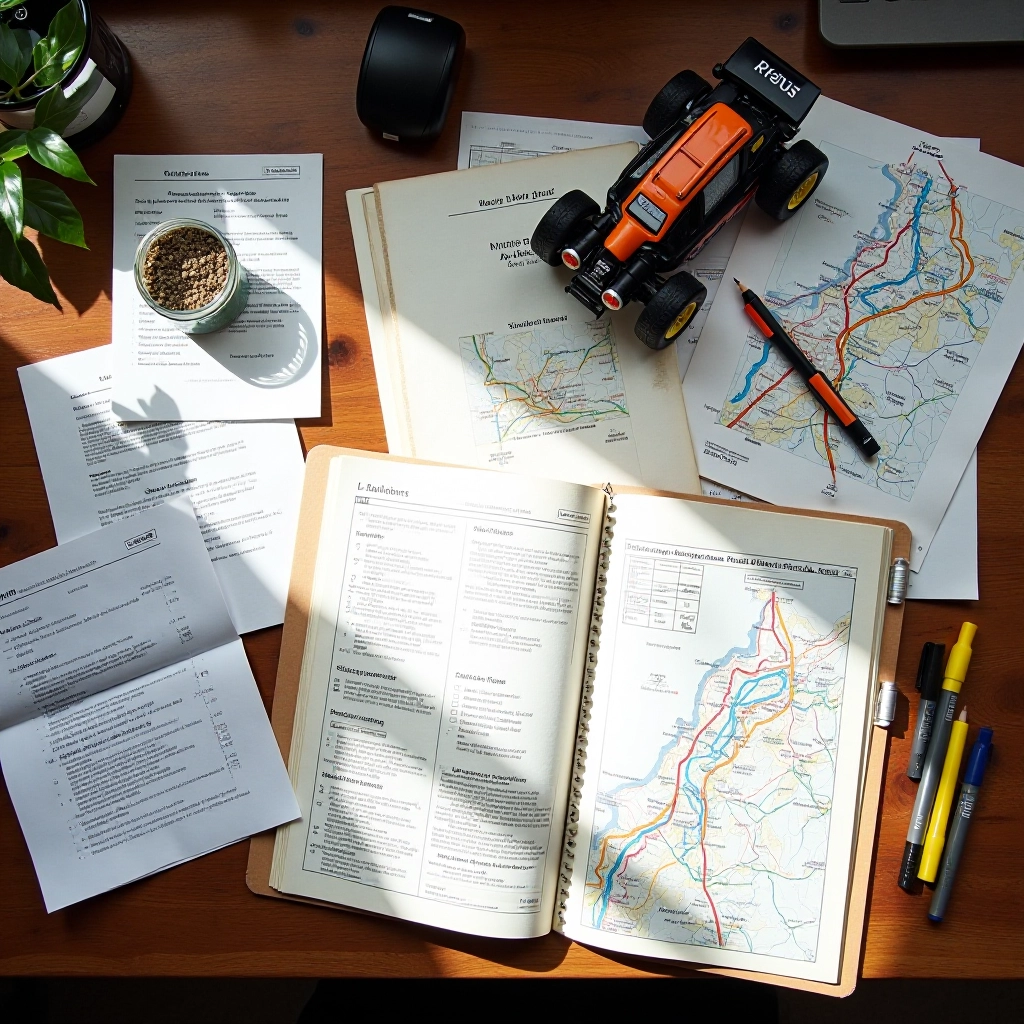
Most events give you time to walk or drive the stage before the actual run. Don't waste it. You'll walk the whole thing if possible — take photos, note the road surface, mark where grip changes from tarmac to gravel. Write everything down. Your notes are your memory when adrenaline kicks in.
Some teams use printed pace notes, others record themselves reading them and play them back through the headset. Both work. What matters is that your driver trusts your information completely. If you called a "3" and it's actually a "5," your driver loses confidence. Once that's gone, it's hard to rebuild.
Pro tip: Mark the notes with landmarks your driver recognizes — a tree, a rock formation, a gate. "200 meters after the white barn, 2 left into 4 right" is better than just "2 left into 4 right."
Calling at Speed
Reading notes in a quiet room and reading them at 70 mph over gravel are two completely different things. The car's loud. Your driver's focused. Your voice needs to be clear, calm, and timed perfectly. You're calling the turn roughly 100 meters before the driver needs to react — not 500 meters early, not as they're already turning.
Timing is everything. Call too early and the driver forgets. Call too late and they're already committed to the wrong line. Practice with your driver. Find the rhythm that works for both of you. Some drivers like a quick call — "2 left." Others want detail — "4 right tightens to 2, gravel inside."
Stay calm even if something goes wrong. If you miss a call or miscall a turn, the next call is what matters. Panic in your voice makes the driver panic. Confidence in your voice keeps them focused.
Reading the Road, Not Just the Notes

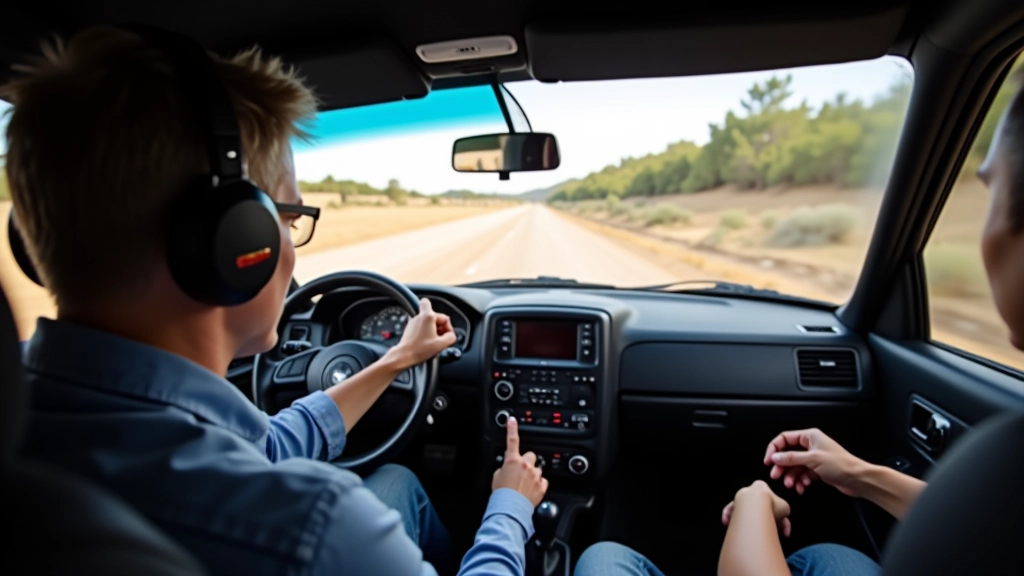
Good co-drivers watch the road while calling. You'll notice grip changing mid-corner — the surface shifts from packed gravel to loose rocks. You'll see water or a damp patch. You'll spot where the road narrows. All of that gets communicated instantly. "Grip gone, loose rocks inside" or "Water across the line, right side."
You're also watching your driver's lines. If they're running wide or cutting in early, you adjust your calls. Some sections might need a different approach based on how the stage is playing that day. One pass, the ruts favor the inside line. The next pass, a rain shower moved gravel and the outside is better. You adapt.
This is where experience helps. Newer co-drivers stick rigidly to their notes. Better ones use the notes as a framework but add real-time information. Your driver gets the best of both worlds — a prepared plan plus live feedback.
Building Trust and Communication Rhythm
The best driver-co-driver pairs aren't just skilled — they trust each other completely. That comes from hours together. You practice, you learn how your driver responds to different calls, you develop a rhythm. When the pressure's on and speeds are high, that trust is what keeps everything smooth.
Talk about what's working and what isn't after each stage. Does your driver need longer notice on tight turns? Are you calling too much detail or not enough? Is the headset communication clear or are there dead zones in the car? These small adjustments compound into better performances.
Real example: One team we've worked with realized their driver needed calls about 150 meters early instead of 100 meters. Just that one timing change — based on the driver's reaction time and driving style — improved their consistency dramatically.
The Bottom Line
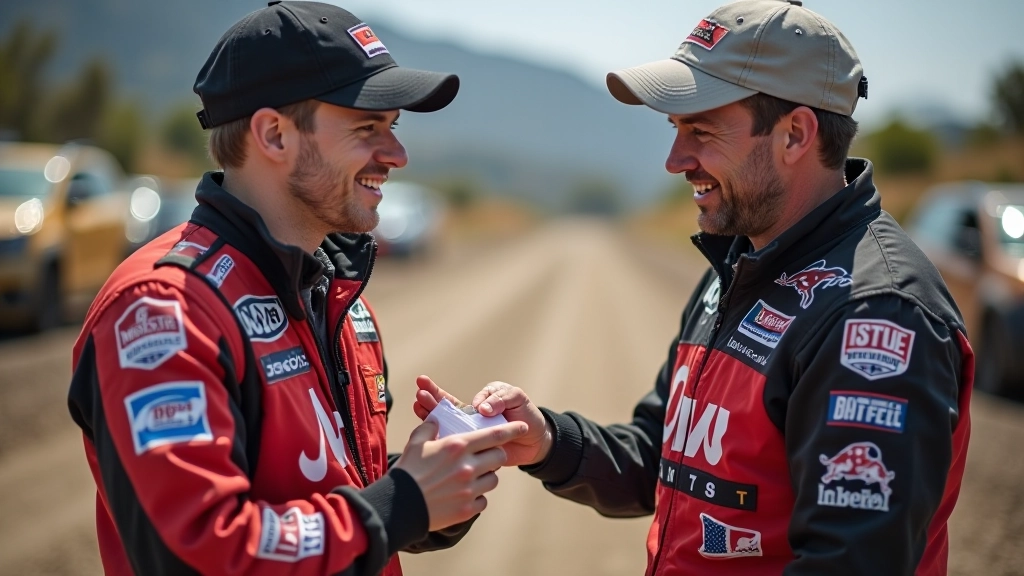
Co-driver communication isn't about memorizing a pace notes system. It's about becoming an extension of your driver — reading the road, timing your calls perfectly, and keeping them confident at speed. You're not just calling turns; you're managing information flow during the most intense moments of the event.
Start with clear, simple notes. Practice calling them until the timing feels natural. Watch the road actively. Adapt when conditions change. Build trust with your driver through repetition and honest feedback. That's how you go from "co-driver" to "co-pilot" — the person your driver knows will keep them safe and fast.
Important Notice
This article is informational and educational only. It's not a substitute for professional rally training, certified instruction, or guidance from experienced coaches. Rally driving involves inherent risks. Always follow event regulations, wear proper safety equipment, and train with qualified instructors before competing. Your safety and the safety of others is the priority.
Related Articles

Understanding Loose Surface Cornering Techniques
Learn how load transfer and steering inputs work differently on gravel. We'll explore the physics behind maintaining grip and speed through loose surface corners.
Rally Car Familiarization for New Drivers
A complete walkthrough of rally car controls, suspension setup, and how different adjustments affect handling on gravel surfaces.
Gravel Track Training Progression for Adults
A structured approach to building skills on gravel surfaces. We outline what to expect, how to progress safely, and when you're ready for stage events.