Why Loose Surface Cornering is Different
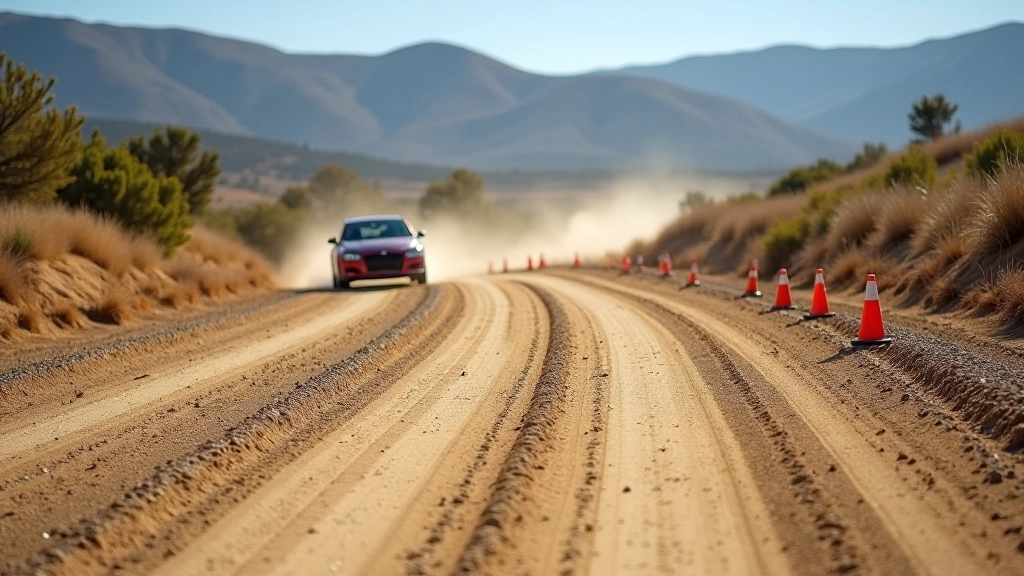
Cornering on gravel isn't the same as asphalt. On pavement, you're looking for grip through tire contact. On loose surfaces, you're managing a completely different physics problem — load distribution, steering angle, and throttle control all work together in ways that feel counterintuitive at first.
The good news? It's learnable. Most drivers start noticing real improvement within 6-8 weeks of focused practice. You'll develop muscle memory for how the car responds, and that confidence translates into faster, safer cornering.
load transfer and Body Position
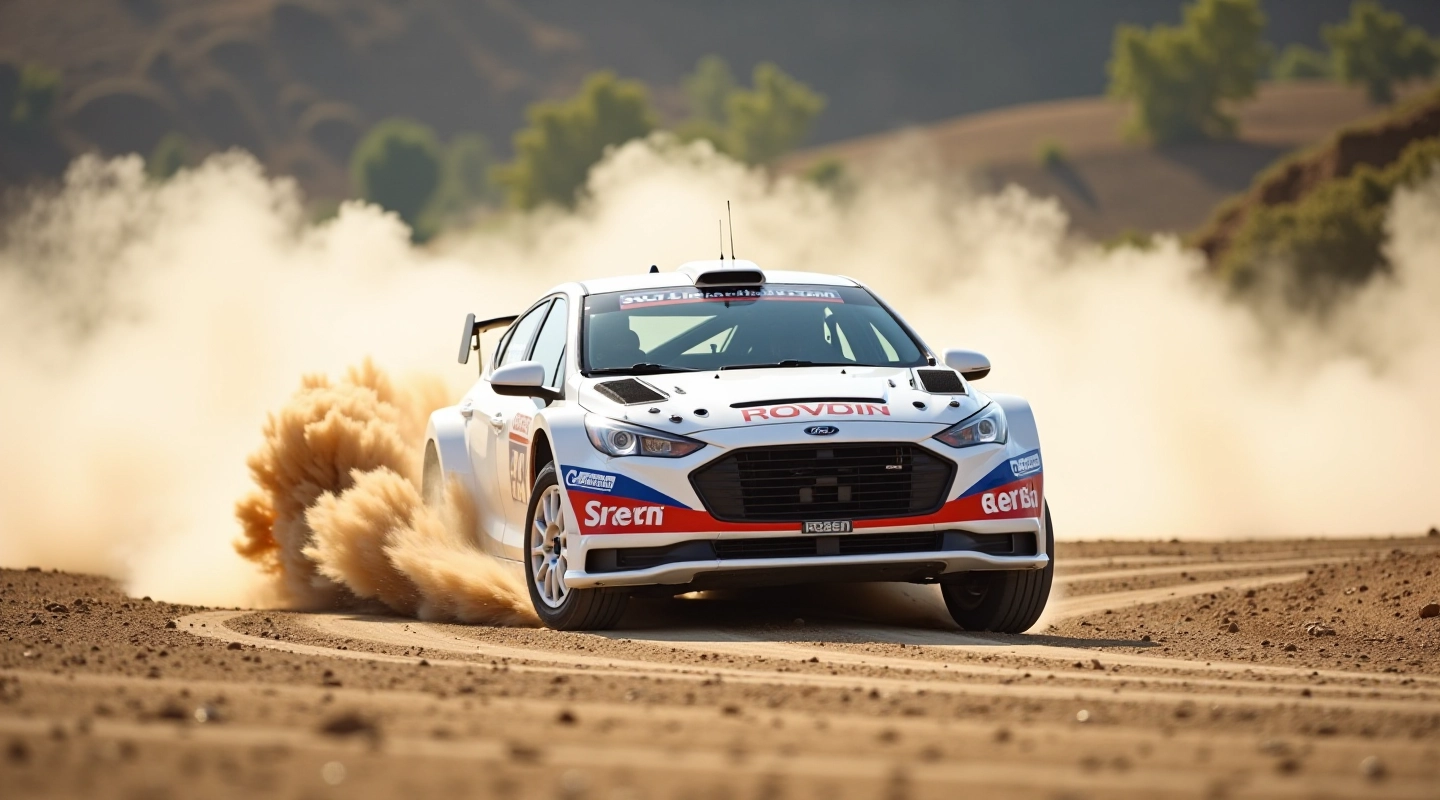
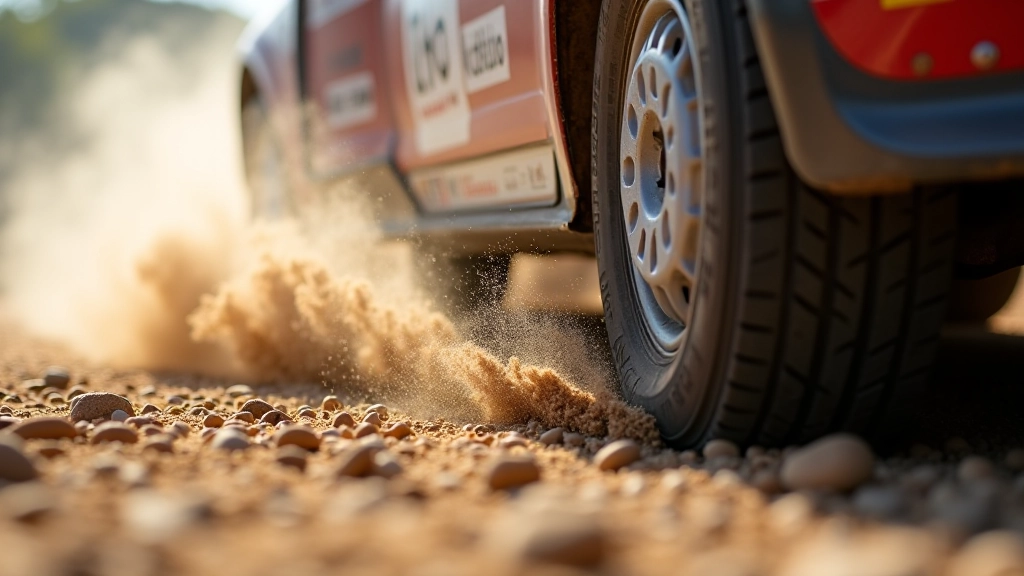
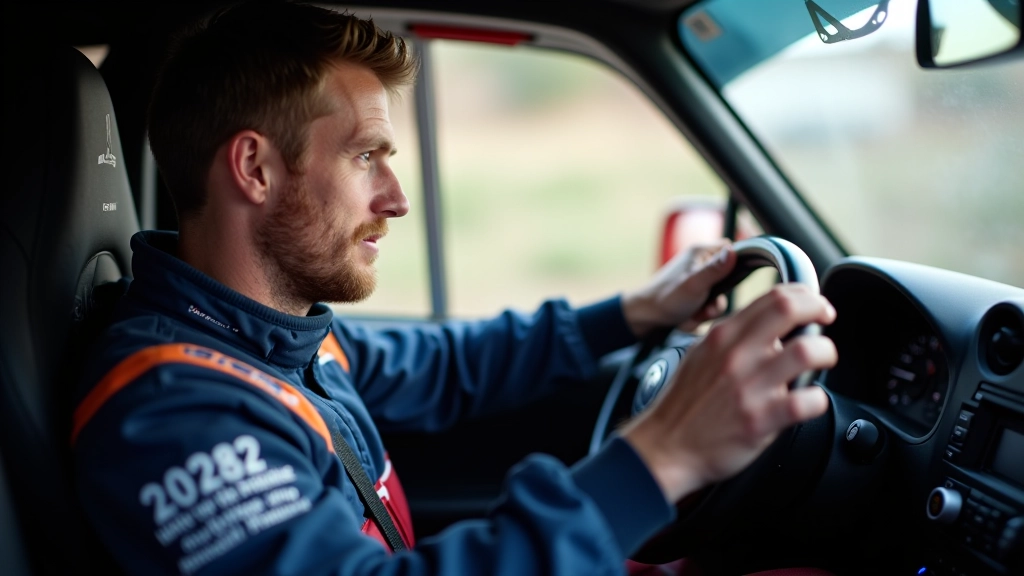
Everything starts with how you position your mass in the turn. On gravel, you're not fighting for grip — you're working with the natural slide of the surface. The car wants to go sideways. Your job is to control how sideways it goes.
Here's the practical side: as you enter a corner, you're transferring load to the outside of the turn. This loads the outside tires. But here's what makes gravel different — that load transfer happens faster because there's less mechanical grip to hold things in place. You need smoother inputs. Aggressive steering movements cause the car to lose traction completely.
Most drivers make the same mistake their first time out. They try to steer like they would on pavement. They turn the wheel hard. The car snaps sideways immediately. Then they panic and try to correct it with another hard input. It's a recipe for spinning out.
Key Point: Smooth steering inputs aren't optional on gravel — they're essential. Small, deliberate adjustments give the tires time to find traction in the loose surface.
Steering Angle and Throttle Control
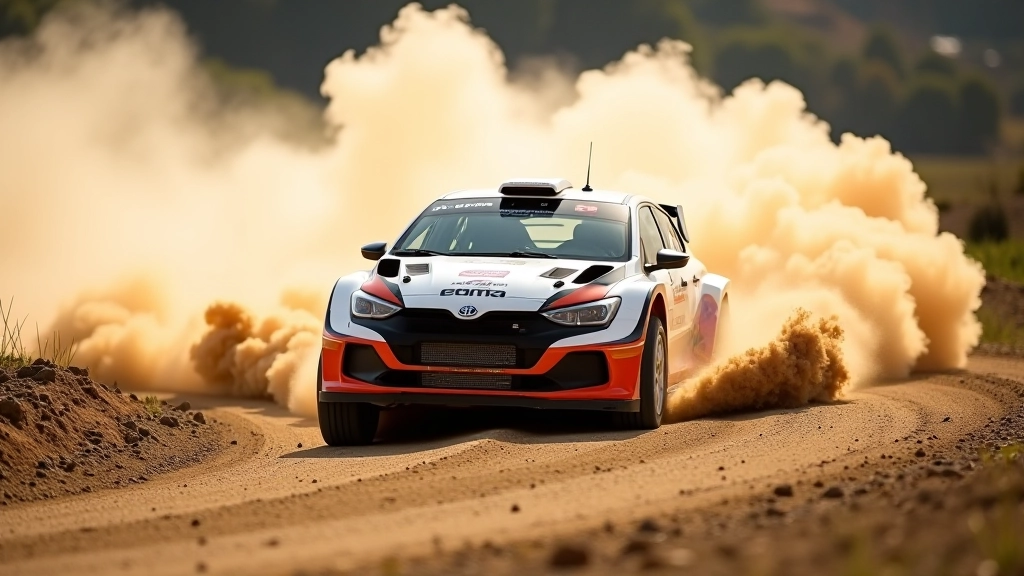
You'll hear experienced rally drivers talk about "managing the slide." That's exactly what's happening. The car's rear is moving outward through the turn. You're not fighting that — you're controlling the rate of that slide.
Steering angle on gravel is typically less aggressive than on pavement. You might turn the wheel 20-30 degrees for a corner where you'd turn 35-40 degrees on asphalt. This sounds counterintuitive. Shouldn't you turn more to make the same direction change? No. The slide gives you that directional change naturally. Extra steering just pushes the car into understeer or a complete loss of control.
Throttle becomes your precision tool. Light throttle helps stabilize the slide. Too much throttle and you're spinning the rear tires — losing traction completely. Too little and the car starts to push wide. You're looking for that middle point where the engine's power keeps the car moving forward while the wheels maintain their grip on the loose surface.
- Enter the turn with smooth steering — avoid jerky inputs
- Use progressive throttle application through the turn
- Maintain consistent steering angle until exit phase
- Increase throttle gradually as the car straightens
Building Skills Progressively
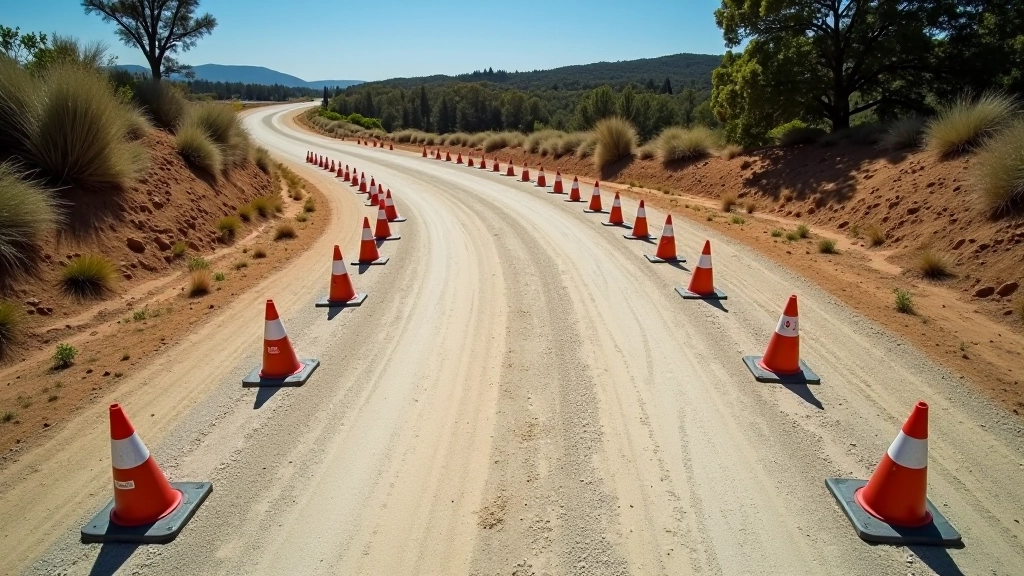
You don't learn loose surface cornering by throwing yourself at high-speed corners. Structured progression works. Start slow. Get comfortable with the feeling of the car sliding. Let your nervous system adapt to the sensation of being sideways.
Week 1-2: Practice smooth steering inputs at speeds where you're doing maybe 20-30 mph through a corner. Feel how the car responds to small wheel movements. Notice the difference between 15 degrees of steering and 25 degrees. Pay attention to throttle sensitivity — how much does engine power affect the slide?
Week 3-4: Increase speed slightly. You're not racing yet. You're building confidence. Try different throttle strategies through the same corner. See how early you can start accelerating while still in the turn.
Week 5-8: Add variety. Different corner types — fast sweepers, tight hairpins, off-camber sections. Each one teaches you something different. By this point, most drivers report that it's starting to feel natural. The inputs become automatic.
Reality Check: Some people progress faster. Some slower. Don't compare yourself to others. Your improvement is what matters. Consistency beats intensity — three sessions spread across a month teaches you more than one marathon session.
Mistakes Everyone Makes (And How to Avoid Them)
Over-Steering
Turning the wheel too much too quickly. You've got less grip on gravel, so aggressive inputs just spin the car. Solution: half the steering angle you think you need.
Inconsistent Throttle
Lifting off the gas mid-turn or stabbing the throttle suddenly. Both destabilize the car. You're looking for smooth, progressive throttle application.
Entering Too Fast
Speed on entry dictates everything. If you come in too hot, you're fighting the car from the moment you turn in. Start slower. Build speed as your confidence grows.
Tension in Your Grip
Holding the wheel too tight makes small corrections feel like big ones. Relax. Your hands should be firm but not tense. You're guiding, not wrestling the car.
This article is informational and educational in nature. Rally driving involves inherent risks. Always practice on closed courses with proper safety equipment and instruction from qualified professionals. Follow all applicable laws and safety guidelines in your jurisdiction.
Moving Forward
Loose surface cornering isn't complicated once you understand the principles. It's smooth inputs, progressive throttle, and load management. You'll spend your first few sessions feeling uncertain. That's normal. By week 4 or 5, you'll start to feel the car responding predictably. By week 8, you'll wonder why you were ever worried about it.
The drivers who improve fastest are the ones who practice deliberately. They focus on one thing at a time. They repeat corners until the movement becomes automatic. They're patient with themselves.
Start slow. Pay attention. Be consistent. Build from there. That's how you master loose surface cornering.