
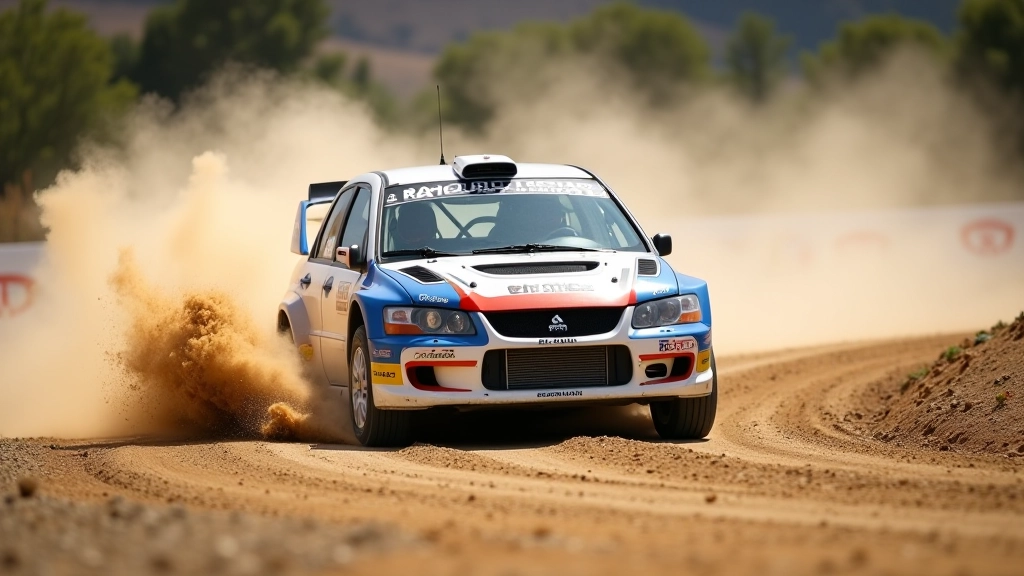
Understanding Loose Surface Cornering Techniques
Learn how load transfer and steering inputs work differently on gravel. We'll explore throttle-in cornering and managing slide angles.
Master the controls, understand the setup, and learn how adjustments affect your handling on gravel
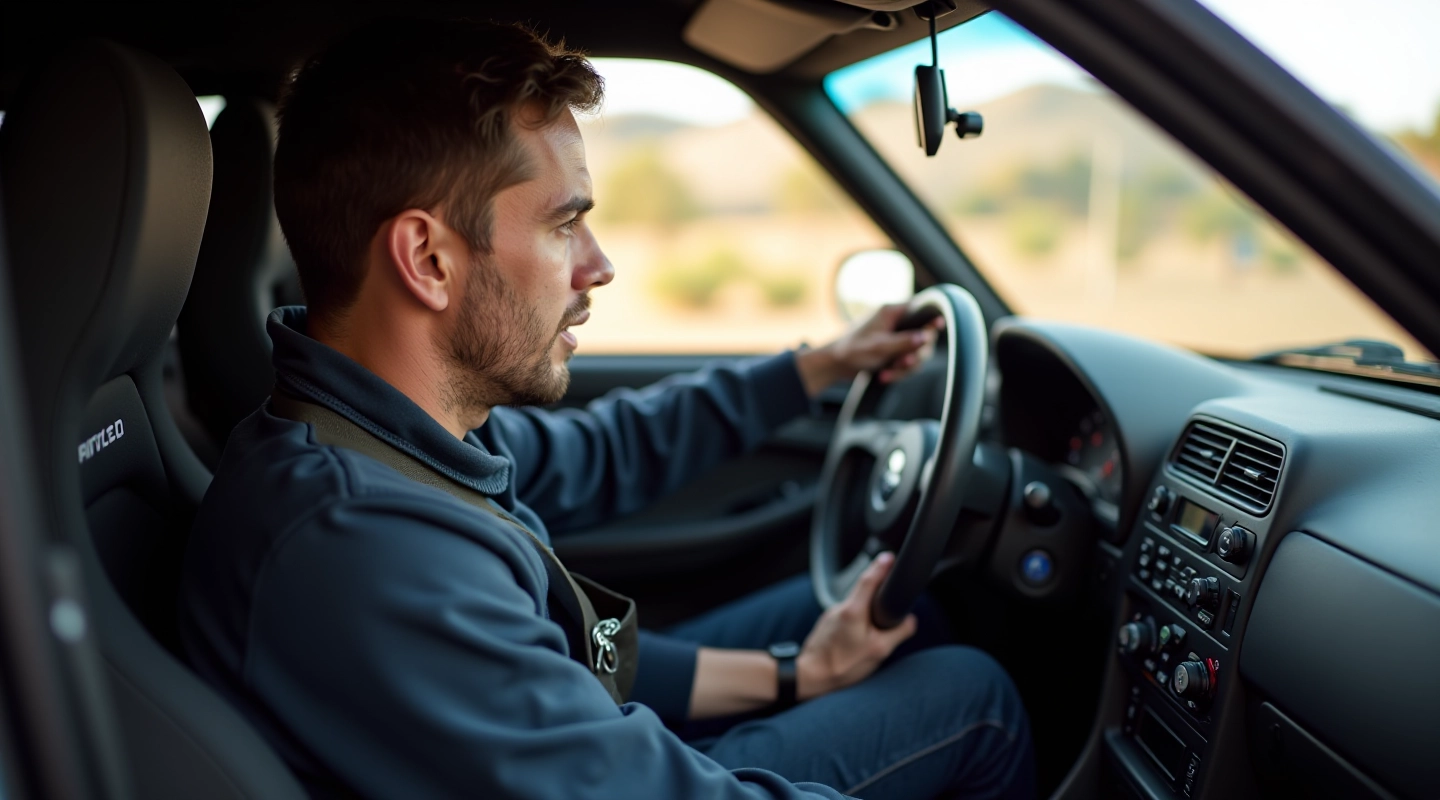
Getting into rally driving starts with knowing your car. It's not just about climbing in and driving fast — there's real technique involved. You'll spend time understanding every button, lever, and dial before you ever hit the gravel. This matters because rally cars respond differently than road cars. The suspension's stiffer. The steering's more direct. And when you're pushing through a high-speed corner on loose surface, you need to know exactly what your car's doing.
We've put together this guide to walk you through what you'll encounter when you first get behind the wheel of a rally car. You'll learn about the controls, what different adjustments do, and how to read what the car's telling you through the steering wheel and pedals.
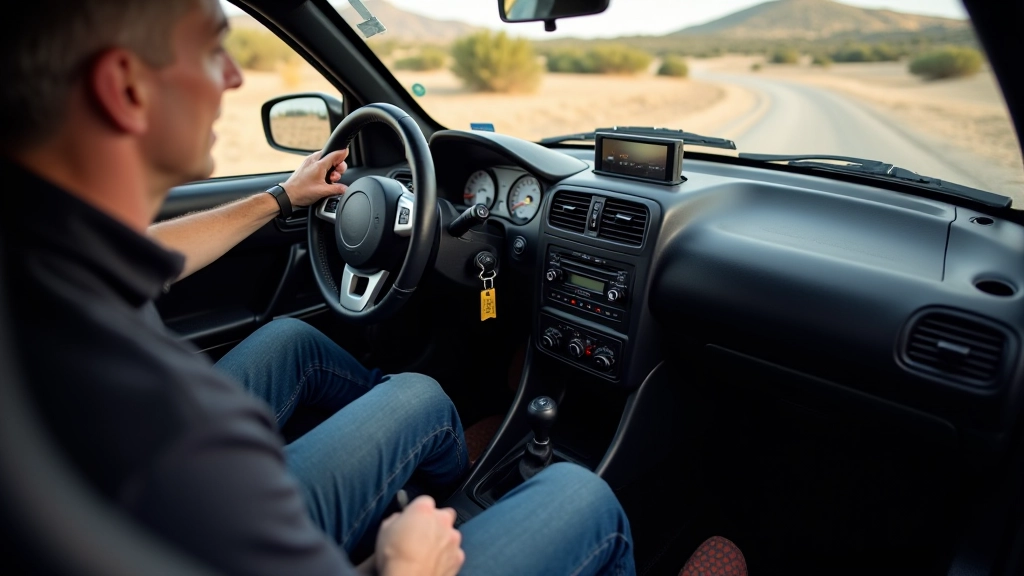
Rally cars strip away the complexity you're used to in road cars. There's no power steering adjustment. No drive mode buttons. Just raw, mechanical feedback. When you grip the steering wheel for the first time, you'll notice it's smaller and heavier than what you're familiar with. That's intentional — it gives you better control and clearer feel of what's happening at the front tires.
The pedals sit higher and closer together than in a standard car. Your throttle input needs to be smooth and progressive. Sudden movements cause the rear to slide unpredictably on gravel. Same with braking — you're learning trail-braking, which means carrying speed into corners while still on the brakes. It takes practice. Most drivers find it clicks after about 4-5 sessions.
The gear shifter is usually short and direct. H-pattern gates keep you from accidentally grabbing the wrong gear under pressure. Your co-driver will be calling pace notes while you're managing all this, so familiarization matters.
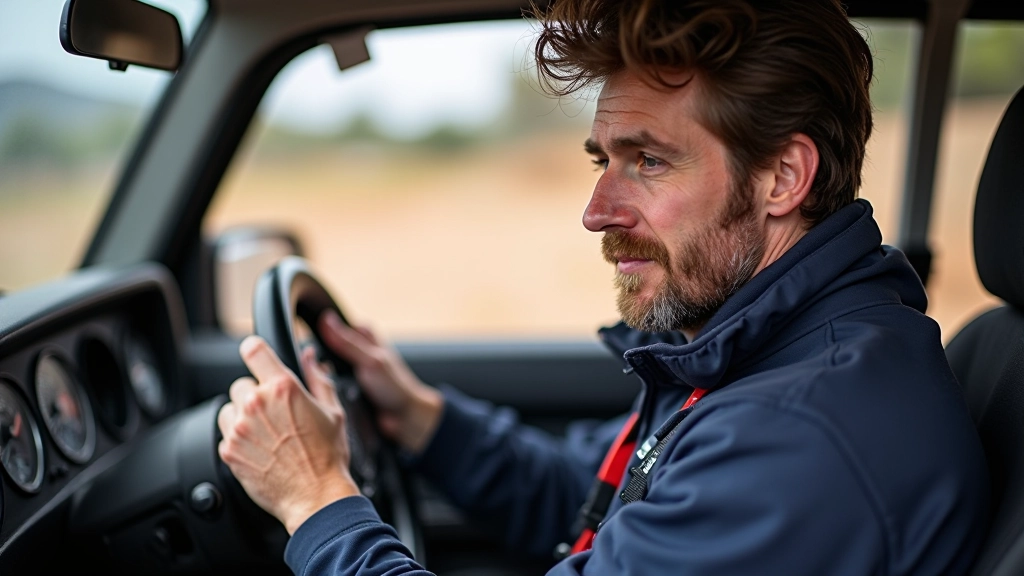
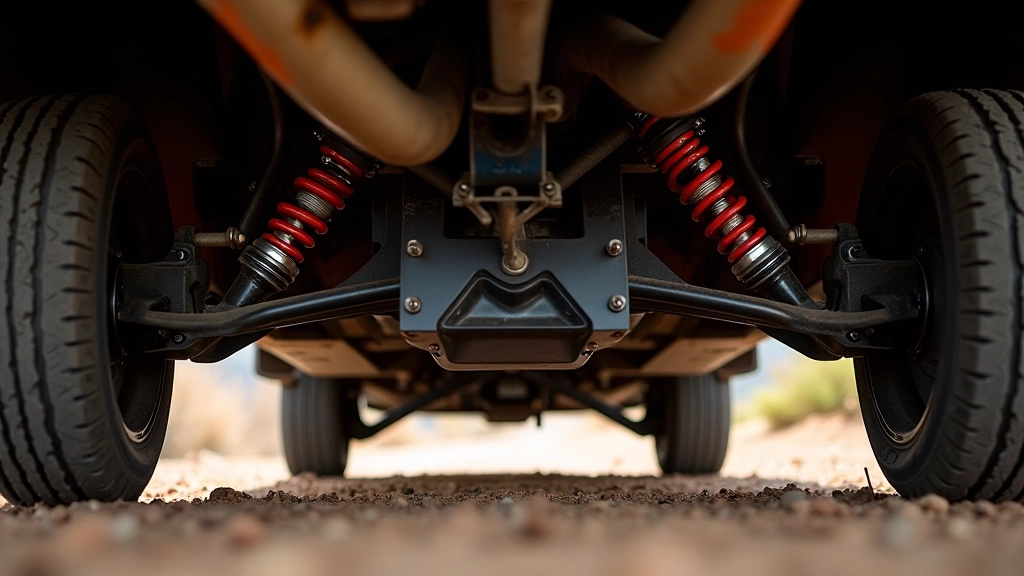
The suspension in a rally car is fundamentally different from road cars. Springs are stiffer — sometimes 2-3 times stiffer. This keeps the car level during hard cornering and prevents the body from rolling excessively. Dampers control how quickly the suspension compresses and extends. Softer damping means the car follows terrain better but can feel unstable. Stiffer damping keeps the car planted but makes rough surfaces feel harsher.
Anti-roll bars connect the left and right wheels. They resist body roll during corners. A stiffer bar means less lean, but also less suspension travel. On a gravel surface with bumps, that compromise matters. You want enough compliance to keep all four tires in contact with the ground.
Ride height affects your center of gravity and ground clearance. Higher ride height gives more clearance over rocks and ruts but raises your center of gravity. Lower ride height improves handling balance but risks bottoming out. Most rally cars sit somewhere in between.
Rally brakes are progressive and responsive. There's little power assistance compared to road cars, so you get direct feedback from the pedal. You'll learn to modulate pressure carefully. On gravel, locking the wheels is easy and expensive — your tires slide and you lose all directional control.
Trail-braking is where you're still on the brakes as you turn into a corner. You're gradually releasing pressure while steering input increases. It sounds complicated, but it's how you manage speed entry into tight corners. The car needs to slow down, turn, and stabilize almost simultaneously. Your brake application teaches the car's load transfer what's about to happen.
The brake balance lever on the dashboard lets you adjust front-to-rear bias. More front bias helps rotate the car mid-corner. More rear bias improves stability but can make the car push wide. You'll make small adjustments between stages as you learn what works for your driving style.
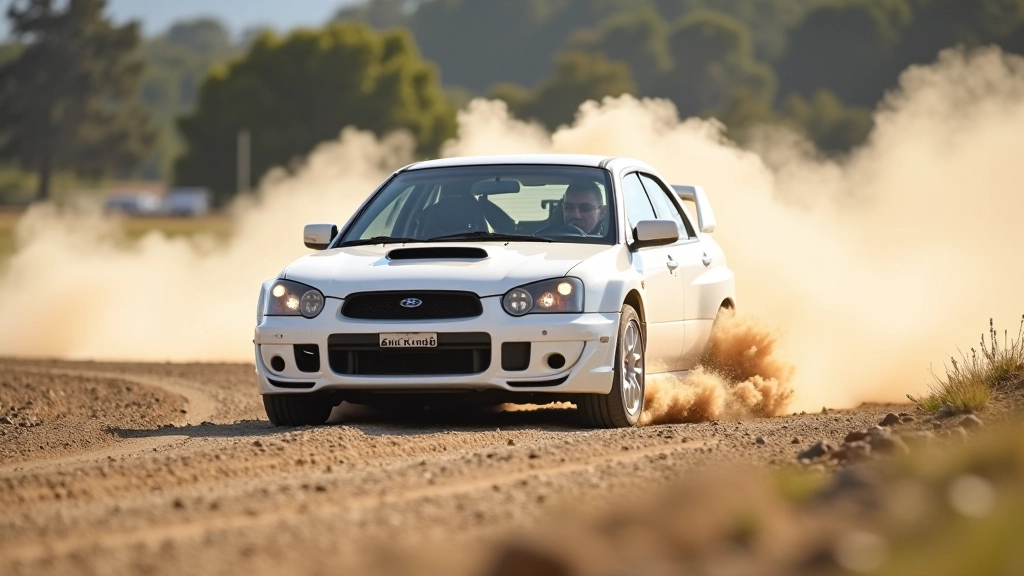
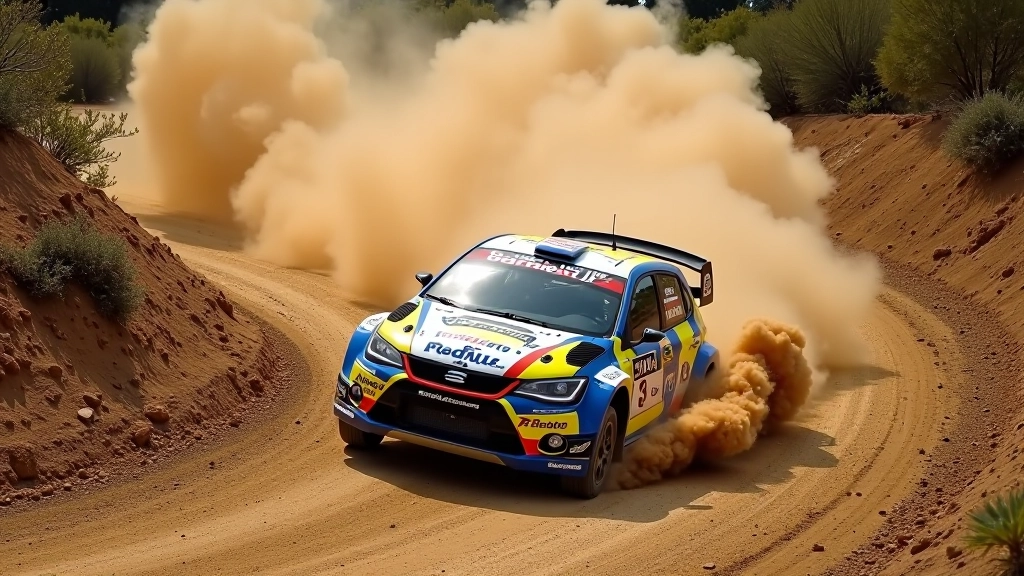
On gravel, your tires have limited grip. Feeding in throttle smoothly is the difference between driving fast and driving into a tree. Sudden throttle inputs unload the rear tires and cause sliding. Progressive throttle application keeps load on the tires and maintains traction.
Some rally cars have limited-slip differentials or locking diffs. A locking diff applies power to both rear wheels equally, even if one has less grip. It helps you accelerate out of corners on loose surface. An open diff can cause one wheel to spin while the other sits idle. Understanding which system you have changes how you approach corner exit.
Many cars have electronic traction control, but it's often less aggressive than road car systems. It won't intervene the way you're used to. You're managing most of the traction control yourself through smooth inputs and feeling what the car's doing. That feedback from the steering wheel and seat-of-your-pants is your main tool.
Important Note: Rally driving involves inherent risks. This article is informational and educational only. Always follow proper safety protocols, wear appropriate safety gear, train with certified instructors, and comply with all local regulations. Never attempt rally techniques on public roads. Your safety and the safety of others is paramount.
The first few times you sit in a rally car, everything feels foreign. The sounds are different. The responses are sharper. The feedback is constant. But this is exactly why familiarization matters. You're building a mental map of how the car responds to your inputs. You're learning what the steering wheel is telling you about tire grip. You're discovering how the car rotates, accelerates, and settles under load.
Take time during your first few sessions to explore the car's limits in a safe, controlled environment. Feel what happens when you exceed grip. Understand how the car recovers. Build confidence in the mechanics before you push hard on stage. This foundation makes everything else easier — the techniques, the speed, the consistency. You're not fighting the car. You're working with it.
Rally driving rewards smooth, deliberate inputs. Jerky movements create problems. Progressive, thoughtful application of controls creates flow. That's the real skill you're developing when you're familiarizing yourself with the car.
Learn how load transfer and steering inputs work differently on gravel. We'll explore throttle-in cornering and managing slide angles.
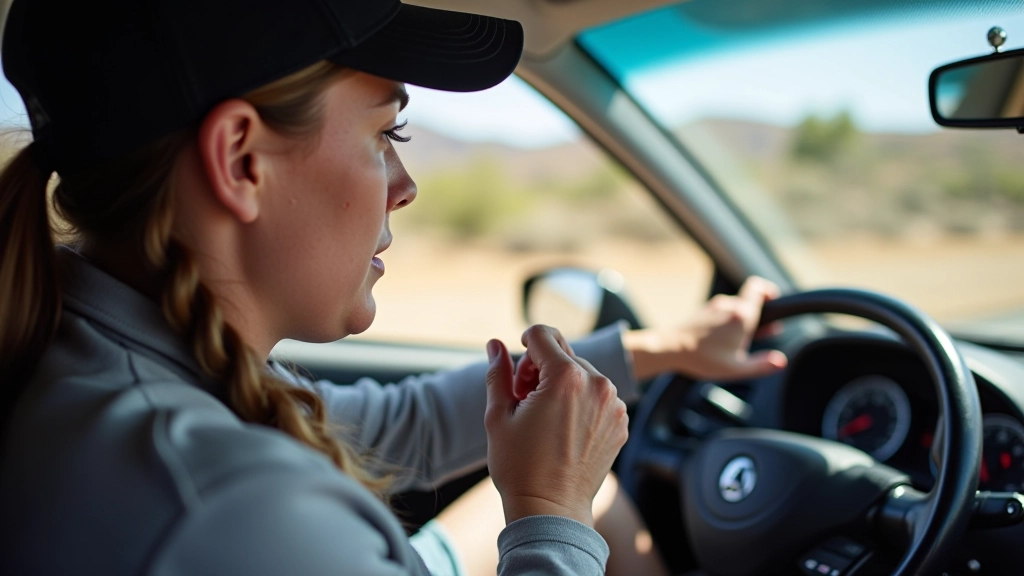
The driver and co-driver work as a team. This guide covers the calls system, note preparation, and rhythm in the car.
A structured approach to building skills on gravel surfaces. We outline what to expect in your first year of training.